A trailer that moves even a few inches while a forklift is crossing the dock leveler can turn a routine loading task into a life-changing incident. Dock restraints are designed to control that risk by securing a vehicle at the loading bay and preventing premature departure, trailer creep, and unplanned movement during loading or unloading.
For warehouse and distribution operations, this is not simply a matter of adding equipment at the dock. A restraint system must work with the trailers that arrive, the dock geometry, the loading process, and the people responsible for each handoff. When those elements are aligned, organizations can reduce one of the most serious and persistent loading bay hazards while protecting workers, forklifts, trailers, dock equipment, and schedules.
Why Trailer Movement Creates a High-Risk Loading Bay
Loading bays bring together vehicle traffic, forklift activity, elevated work surfaces, and time-sensitive dispatch schedules. The risks increase when a trailer is not positively secured before the dock door is opened and material handling begins.
A driver may pull away because loading appears complete, because of a communication breakdown, or because the vehicle has been released at another point in the process. In other situations, a trailer can creep forward or shift as forklifts enter and exit, particularly when the loading surface is uneven, the brakes are not applied correctly, or the trailer is lightly loaded. Traditional wheel chocks can provide a visual reminder and some resistance, but they depend heavily on correct placement, suitable ground conditions, and consistent human action.
The consequences of uncontrolled movement can be severe. A gap can open between the trailer and dock leveler, creating a drop hazard for forklifts and personnel. A trailer can move away from the dock entirely while work is underway. Equipment damage, product loss, interrupted operations, and worker injuries may follow.
Every worker deserves to return home safely every day. At the loading bay, that principle requires a control that does more than rely on memory, verbal instructions, or assumptions.
How Dock Restraints Work
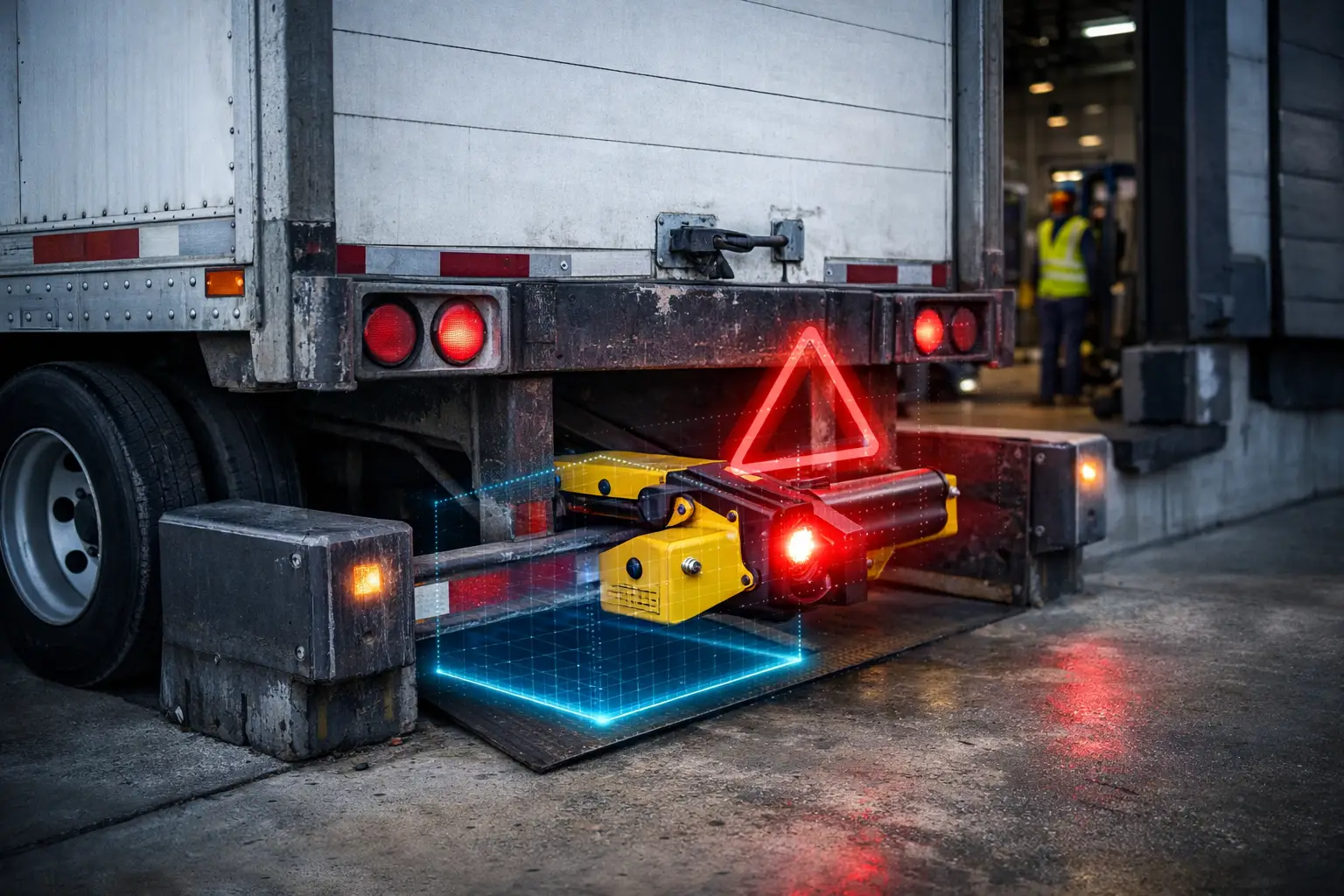
Dock restraints are vehicle restraint systems installed at the loading face or within the approach area of a loading bay. Their purpose is to engage a suitable point on the trailer, commonly the rear impact guard, and hold the vehicle in position until loading activities are complete and it is safe for the driver to depart.
Many systems use a powered hook or barrier mechanism that rises to capture the trailer’s rear impact guard. Other designs restrain the trailer through a wheel-based mechanism. The right approach depends on the trailer fleet, the dock configuration, ground conditions, operating temperatures, and the type of traffic visiting the facility.
A complete system typically includes clear external and internal communication signals. Outside lights tell the driver whether to remain stopped or whether departure is permitted. Inside lights show dock staff whether the trailer is secured and whether it is safe to begin loading. Some systems also interlock with dock doors or levelers so that loading cannot begin until the restraint has engaged and verified the vehicle position.
This sequence matters. A restraint is most effective when it becomes part of a controlled process: vehicle arrives, driver positions the trailer, the restraint engages, the status is confirmed, loading begins, the work area is checked, and only then is the restraint released. The equipment provides the physical control, while the signals create a common language between the driver and dock team.
Restraint systems are not all the same
Hook-style restraints are widely used where trailers have compatible rear impact guards and a consistent parking position. They can provide positive engagement and may help address trailer creep by maintaining contact as the vehicle shifts slightly under loading forces.
Wheel-based restraint systems can be useful for facilities that receive a varied mix of trailers, including vehicles with damaged, recessed, or nonstandard rear guards. However, the system must be matched carefully to tire sizes, wheel positions, approach paths, and site conditions. A solution that works well for one fleet may not suit another.
The critical question is not which design is universally best. It is whether the selected system can reliably restrain the vehicles that use a specific dock, under normal operating conditions and foreseeable exceptions.
Selecting the Right Dock Restraints for Your Facility
A loading bay assessment should come before product selection. The goal is to understand how the dock actually operates, not how procedures assume it operates.
Start with the vehicle profile. Document the types of trucks and trailers using each bay, including rear impact guard dimensions and condition, trailer heights, tire configurations, and any specialized vehicles. Facilities receiving third-party carriers often have more variation than operations served by a dedicated fleet. That variation can influence whether a hook-style, wheel-based, or alternative restraint approach is appropriate.
Next, examine the dock itself. The slope and condition of the approach, dock face clearance, leveler type, bumper condition, drainage, and available mounting space all affect installation and performance. A restraint that is not positioned correctly can fail to engage consistently, even if the equipment itself is properly specified.
Operational behavior deserves equal attention. Consider how drivers are checked in, who controls the dock door, whether trailers remain connected to tractors, how loading status is communicated, and how exceptions are handled. For example, a busy facility may need highly visible LED signals, audible alerts, or door interlocks to prevent personnel from overriding a safe sequence during peak periods.
A practical assessment should also account for maintenance access. Loading bays are exposed to repeated impact, vibration, dirt, moisture, and heavy traffic. Selecting equipment that can be inspected and serviced without excessive downtime supports long-term reliability.
Safe Operation Depends on More Than Equipment
Installing a vehicle restraint does not automatically create a safe dock. The system must be supported by clear operating procedures, training, inspections, and supervision.
Drivers need simple instructions that are visible before they enter the bay. They should know where to stop, what the external signal means, and that a red indication means they must not depart. Warehouse personnel need to understand that an unsecured or fault indication is a stop-work condition, not an inconvenience to bypass.
The procedure should define who has authority to release the trailer. At many facilities, this is the dock operator or a designated supervisor after loading is complete, the dock leveler is safely stored, personnel have cleared the trailer, and the dock door sequence is complete. Clear ownership prevents the dangerous assumption that someone else has checked the bay.
Training should include abnormal conditions, not just normal use. Teams should know what to do if the restraint cannot engage, if a trailer has an incompatible impact guard, if a signal is damaged, or if a driver attempts to leave before release. In these situations, the correct response may involve an approved alternative control, such as a designated holding process or restricted loading arrangement, rather than continuing as usual.
Inspection and Maintenance Protect System Performance
Dock restraints operate in an unforgiving environment. A quick pre-use check can identify obvious issues such as damaged hooks, bent components, loose mounting hardware, worn cables, faulty lights, or debris that could obstruct movement. Operators should also verify that the restraint engages the intended trailer point and that the internal and external signals display the correct status.
Scheduled preventive maintenance goes further. Qualified technicians should inspect mechanical wear, hydraulic or electrical components where applicable, mounting integrity, sensor performance, control panels, and interlocks. They should test the system through its operating sequence and document defects, repairs, and recurring issues.
Repeated engagement problems are worth investigating, even if staff can temporarily work around them. They may indicate inconsistent trailer compatibility, an approach alignment problem, impact damage, or a developing mechanical fault. Treating repeat issues as operational data helps prevent a minor defect from becoming an exposure at a busy dock.
Connecting Vehicle Restraints to a Safer Bay Strategy
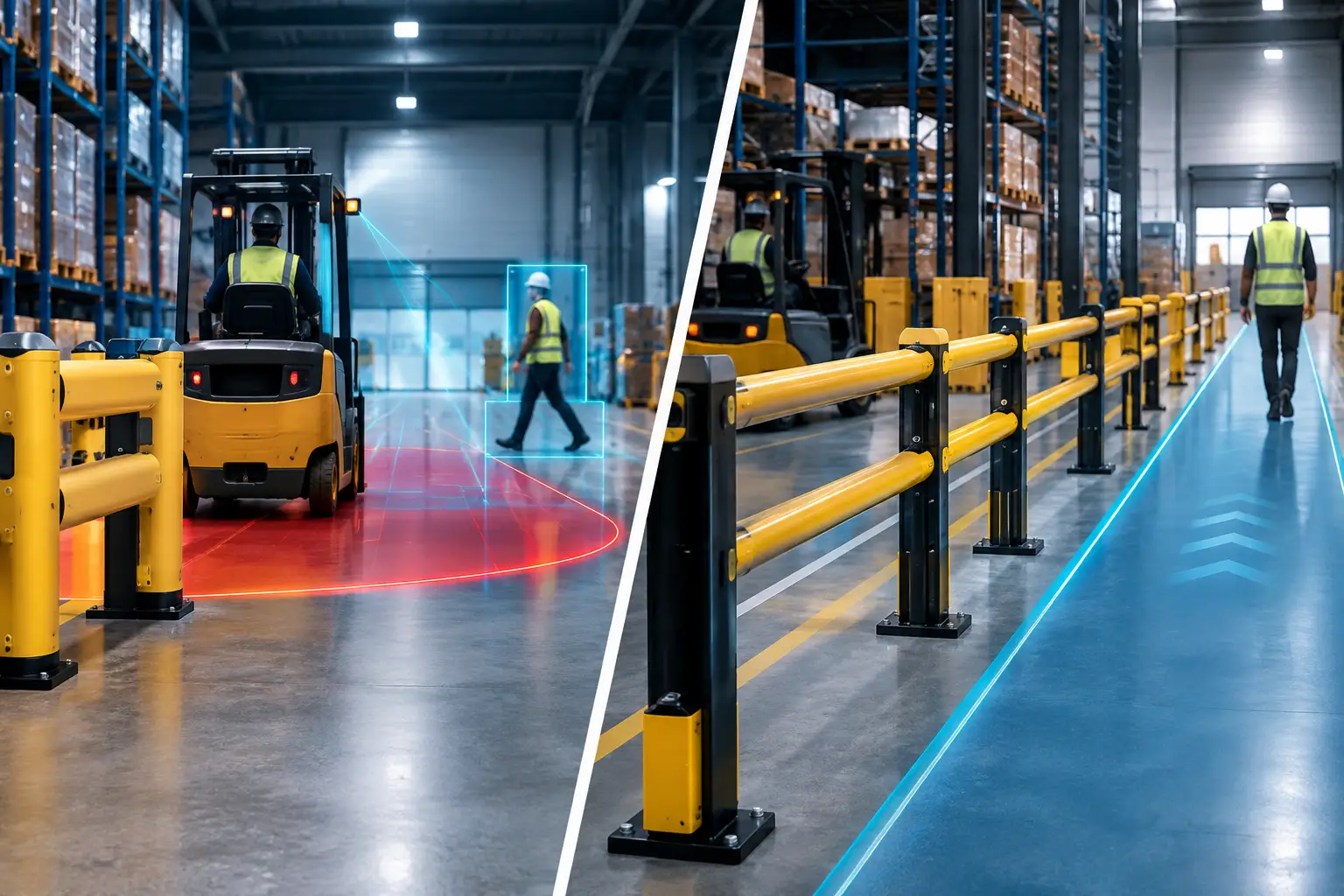
Vehicle restraint systems are strongest when they form part of an integrated loading bay safety plan. Dock doors, levelers, bumpers, traffic markings, warning lights, pedestrian separation, forklift operating rules, and supervisor checks should all support the same objective: no loading activity begins until the bay is controlled.
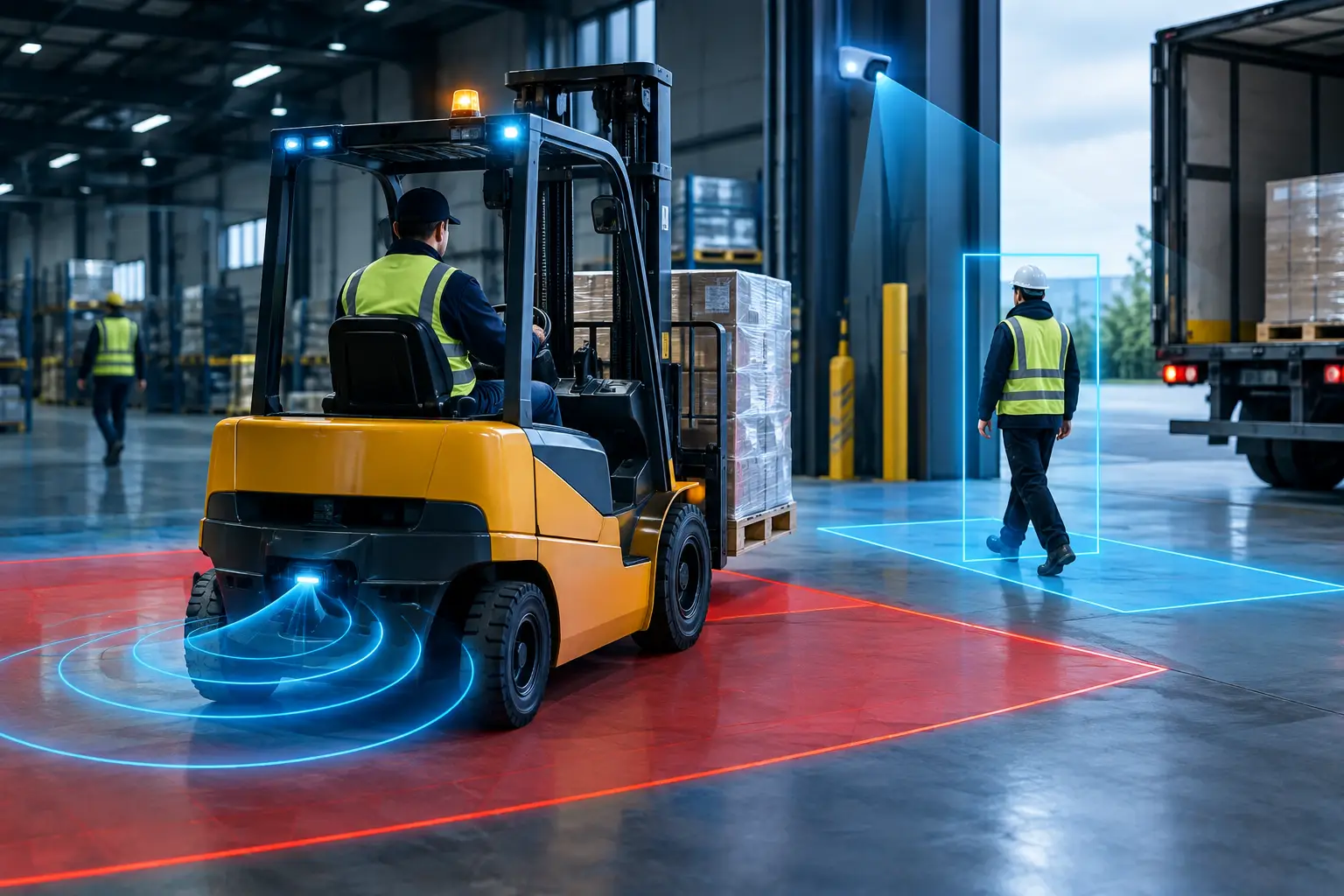
For higher-risk or high-throughput operations, intelligent warning systems can add another layer of protection. Audible and visual alerts can draw attention to an unsafe sequence, while monitoring technologies may help supervisors identify recurring behaviors such as premature door opening, unauthorized entry, or repeated attempts to work at an unsecured bay. Technology should reinforce disciplined operations, not replace them.
SysGuard approaches loading bay safety as an engineering and operational challenge. The best result comes from matching restraint technology to real vehicle traffic, integrating it with dock processes, and maintaining it so it performs when the operation is under pressure.
A useful next step is to walk each active dock during a normal shift and observe the complete vehicle-to-departure sequence. The gaps that are easiest to miss on paper are often the ones that reveal where a better restraint and communication process can prevent the next incident.